If you have ever had a day where your vagina just felt… different, like something was off and you could not quite explain it, there is a chance that your vaginal pH had something to do with it. Vaginal pH is one of those quietly powerful forces that affects comfort, moisture, scent, and overall vaginal health. And while no one wants to think about being back in ninth-grade science class, understanding vaginal pH can actually make your sex life better.
For that reason, we created this guide that explains what it is, what can disrupt it, how imbalance shows up in the body, and why thoughtful choices around lube and feminine care products play a key role in maintaining comfort and balance.
What actually is vaginal pH, and why does it matter?
Let’s start with the basics. pH is a scale from 0 to 14 that measures how acidic or alkaline something is. The vagina naturally falls on the acidic side, usually between 3.8 and 4.5. This acidity is not random. It is your body’s built-in security system.
To maintain this balance, your body produces a dominant type of bacteria: Lactobacillus. These beneficial bacteria produce lactic acid, which keeps the vaginal environment slightly acidic. That acidity makes it harder for harmful bacteria to enter and cause harm. Think of Lactobacillus as tiny, extremely committed bouncers guarding a very exclusive ecosystem.
When vaginal pH remains within its ideal range, beneficial bacteria thrive. When they thrive, many things fall into place naturally, including comfort, healthy tissue, natural lubrication, a neutral scent, and protection against infection.
When pH rises, even if only slightly, the balance changes. The good bacteria lose their edge, and less helpful microbes can multiply. That shift often manifests as irritation, dryness, odor, unusual discharge, or recurring infections. The symptoms are not random. They are signals that the environment has changed.
Why checking your vaginal pH actually makes sense.
Research backs up what many people already sense intuitively. Checking vaginal pH can be a helpful first step when something feels off, especially before reaching for over-the-counter treatments for presumed vaginitis. Studies show that self-testing is widely accepted and helps people make more informed decisions rather than guessing and hoping for the best.

Vaginal pH testing is considered relatively sensitive, meaning it’s good at flagging when something may be out of balance, particularly with conditions like bacterial vaginosis. On its own, however, it’s not specific enough to diagnose the cause. That’s why symptoms, patterns, and medical guidance still matter. A pH test is not a diagnosis, but it is valuable context.
Having that information can reduce unnecessary treatment delays and help prevent secondary issues. Knowing your pH can guide your next move, whether that’s giving your body time to rebalance, adjusting the products you’re using, or calling your doctor sooner rather than later.
Vaginal pH isn’t something to monitor obsessively, but it is worth understanding. It helps explain symptoms, prevents over-treating problems that may resolve on their own, and supports clearer, more productive conversations with healthcare providers. When you understand how your vaginal ecosystem works, you stop fighting your body and start working with it. And that’s usually when things start to feel easier.
How do I know when my vaginal pH is off?
If your body could send push notifications, an off vaginal pH would absolutely ping you. The thing is, most of us were never taught what those signals actually look like, so it is easy to miss or second-guess them.
Here are the most common signs your vaginal pH might be off, explained in a way that actually makes sense.
Unusual odor (and no, not just after the gym)
A healthy vagina has a mild, slightly tangy scent. When pH shifts upward and becomes more alkaline, odor is often the first thing people notice. It might smell fishy, overly intense, or just different from your normal. If you shower regularly and still experience a persistent odor, you may need to test your vaginal pH, among other things, like contacting your gynecologist.
Changes in discharge
Clear, white, watery, or thick discharge is normal. Discharge that suddenly changes color, texture, or amount warrants attention. A higher pH may lead to thin, grayish, yellow or chunky white discharge, and irritation may also occur. If your discharge looks or feels unfamiliar for more than a few days, it is a clue, not a coincidence.
Itching, burning, or irritation
When pH is off, the vaginal environment becomes less friendly to good bacteria and more welcoming to irritation. This can show up as itchiness, burning, or a general feeling of discomfort, especially during or after sex. If things feel sensitive when they usually do not, a pH imbalance is a possible suspect.
Sex suddenly feels uncomfortable
If penetration starts to feel stingy, dry, or irritating out of nowhere, your vaginal pH may be playing a role. Semen, new lubes, fragranced products, or even stress can temporarily raise pH and make tissues more sensitive than usual.
What causes vaginal pH to become imbalanced?
Vaginal pH can be easily influenced by everyday life. A few of the most common triggers include:
-
Sex. Semen has a high pH and can temporarily raise the vaginal pH.
-
Hormones. Menopause, postpartum, breastfeeding, the menstrual cycle, and birth control can all shift acidity levels.
-
Stress. Yes, stress really does affect everything, even here.
-
Soaps and washes. Scented hygiene products can disrupt the microbiome.
-
Antibiotics. They kill harmful bacteria but can also destroy beneficial Lactobacillus.
-
Lubricants. Some lube formulas, especially flavored lube, contain ingredients that disrupt the natural pH or feed unwanted microbes.
We’ve compiled a complete list of what we've confirmed and debunked the myths about the causes of a pH imbalance.
When your environment becomes more alkaline, symptoms can appear quickly. Women may experience itching, dryness, burning, changes in discharge, a different scent, or a general sense that something is not right. These are not random body quirks. They are signals from your microbiome that the acidity is out of balance.
What can a woman experience when pH is too high?
A rise in vaginal pH is not just annoying. It can create a real chain reaction because harmful bacteria thrive in alkaline environments. Here is what can happen when the microbiome gets disrupted.
Bacterial vaginosis
This is the most common infection that has ties to elevated pH. Symptoms often include fishy odor, thin gray discharge, and irritation. BV is not an STI, but it can increase susceptibility to infections if untreated.
Yeast overgrowth
A shift in pH can allow yeast to flourish. This usually results in itching, burning, thick discharge, and redness.
Vaginal dryness
Changes in acidity can impact moisture levels, which makes sex uncomfortable and leaves tissues more vulnerable to microtears.
Urinary discomfort
Imbalance in the vaginal microbiome can also irritate the urethra, leading to UTI-like symptoms.
How do pH-balanced lubricants support vaginal health?
Now for the good news. One of the easiest ways to support vaginal comfort is by choosing intimate products that work with your microbiome instead of against it.
A pH-balanced lube is formulated to sit close to the vagina’s natural acidity. This means it moisturizes and provides slip without disrupting the ecosystem your body works so hard to maintain.
Many generic lubes use ingredients that can irritate sensitive tissue or feed harmful bacteria. These include glycerin, artificial sweeteners, heavy preservatives, dyes, or strong fragrances. Clean formulas, especially those created with vaginal balance in mind, avoid those pitfalls.
Water-based lubes are especially supportive for women dealing with dryness or sensitivity. They rinse away easily, mimic natural lubrication, and do not leave behind residue that can disrupt the microbiome.
Some silicone-based lubricants are also pH-neutral, partly because they do not contain water. This means they do not impact acidity and are often an excellent option for women who need longer-lasting moisture.
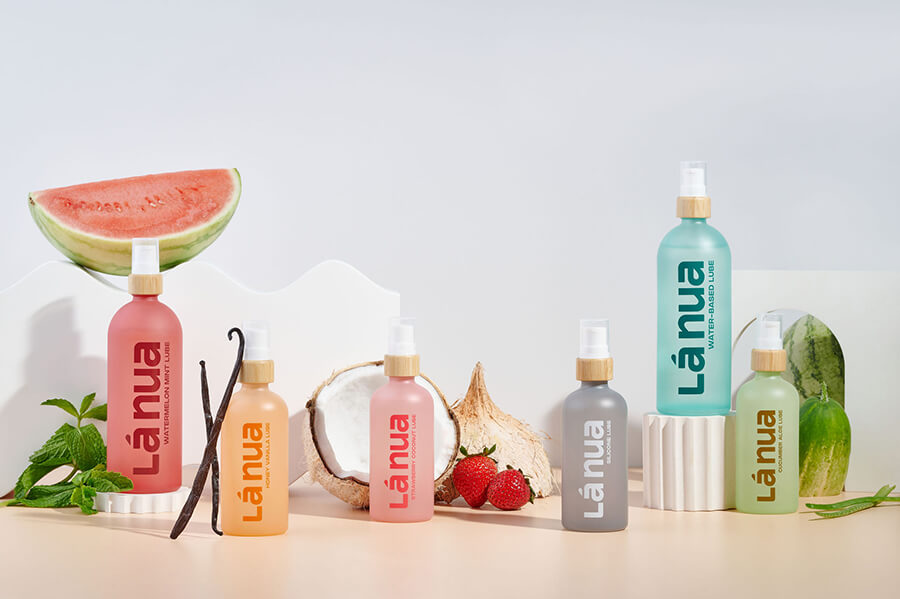
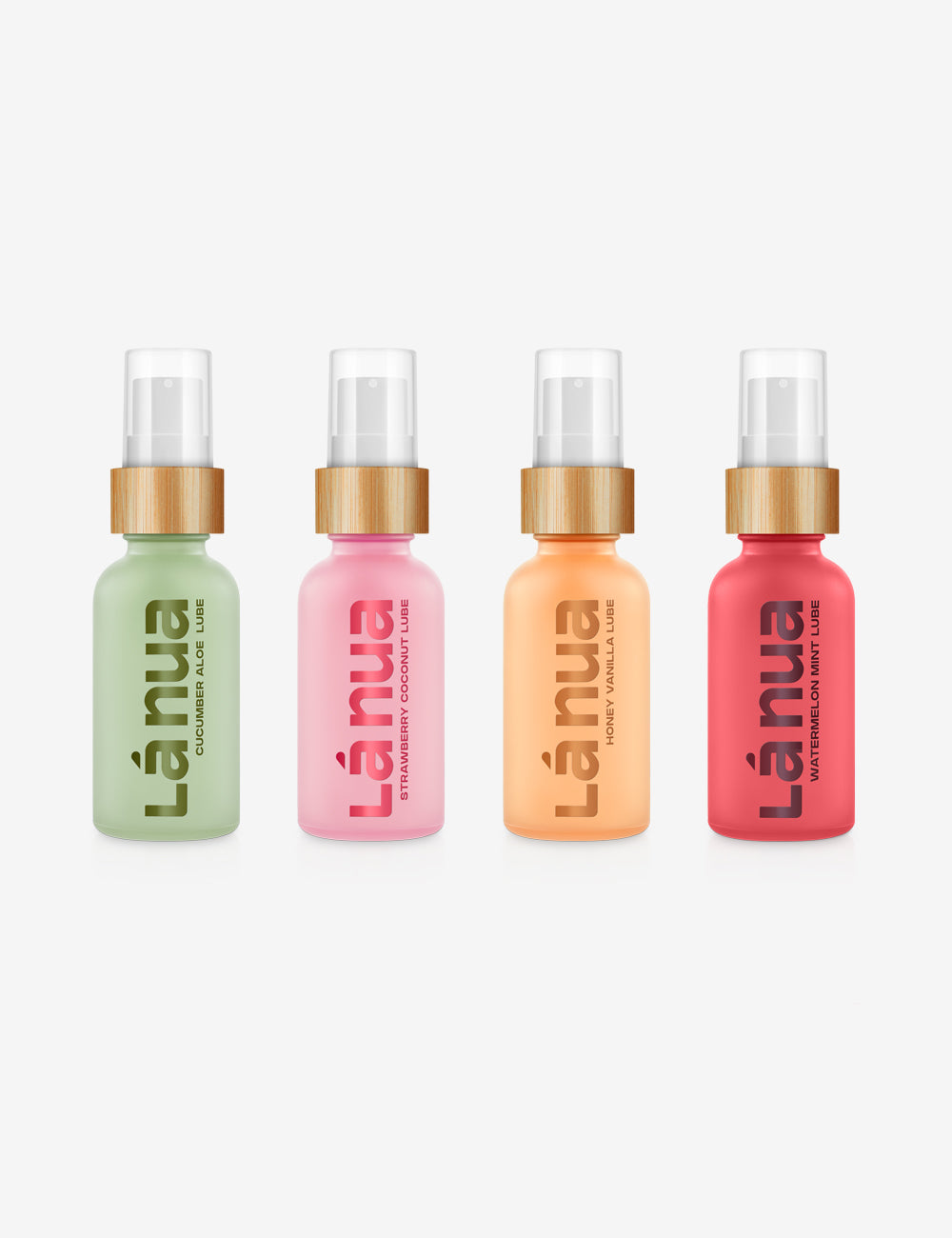
Flavored lubes, when made clean and unsweetened, can also be pH-balanced. La Nua’s flavored formulas skip sugars and artificial sweeteners used by other brands. This means you get the fun flavors without feeding the bacteria that cause imbalance.
Why are all La Nua lubes pH-balanced?
No matter which formula you choose, La Nua makes every lubricant with vaginal balance in mind. This includes water-based, silicone-based, and all naturally flavored variations. Each formula is intentionally crafted to respect your natural acidity, avoid common irritants, and support the health of your vaginal microbiome.
A pH-balanced lubricant helps reduce irritation during and after intimacy, supports moisture without disrupting tissue, and minimizes the risk of infection for women prone to BV or yeast. It is one of the easiest switches someone can make for more comfortable, connected intimacy.
What is the best product for vaginal odor?
Choosing a pH-balanced lube is a great start, but other small habits help maintain balance.
What is the best product for vaginal odor?
Choosing a pH-balanced lube is a great start, but other small habits help maintain balance.
-
Choose breathable underwear
-
Avoid scented washes or soaps
-
Stay hydrated
-
Balance stress
-
Use gentle, fragrance-free detergents.
-
Avoid douching

Why pH-balanced lube truly matters
Vaginal pH is not just a number. It reflects your microbiome, hormones, environment, and your body’s ability to protect itself. When this balance is supported, sex is more enjoyable, everyday comfort improves, and your body feels aligned with itself.
Choosing a pH-balanced lubricant is one of the simplest ways to maintain that balance. It is gentle, supportive, and designed to blend seamlessly with your own chemistry. And when your lube works with your body instead of fighting it, everything feels better.
But Wait, Do Men Have a pH Balance?
Short answer: Yes, men have pH, but it differs significantly from vaginal pH.
Men do not have a single, tightly regulated internal pH system as the vagina does. Instead, pH occurs in a few specific places, primarily the skin and semen, and it matters more for comfort, irritation, and partner compatibility than for regular monitoring.
Penile skin pH
The skin on the penis and groin has a slightly acidic pH, usually around 5 to 6, similar to the rest of the body’s skin. That mild acidity helps protect against odors, irritation, and bacterial or yeast overgrowth. When this balance is disrupted, usually by harsh soaps, fragranced washes, or overwashing, men may notice dryness, itching, redness, or lingering odor.
This is why “extra strength” body washes and heavily scented products can actually make things worse. Clean does not mean stripped. For external genital care, gentle and fragrance-free wins every time.
Semen pH
Semen is alkaline, typically landing between 7.2 and 8.0. This is not a flaw. It is biology doing its job. Semen’s alkalinity helps protect sperm as they move through the naturally acidic vaginal environment.
This difference in pH is also why ejaculation can temporarily raise vaginal pH after sex. For most people, the vagina rebalances on its own within a day. For some, especially those prone to pH sensitivity, that shift can be more noticeable.
Why a Man’s pH Matters for Partners
Even though men do not manage pH the same way, their products still matter in partnered sex. What one person wears can affect the other person’s balance during intimacy.
Using a gentle, pH-balanced, water-based lubricant helps reduce friction and irritation for both partners and minimizes unnecessary disruption, especially if one partner is sensitive.
Vaginal pH FAQ

How can I restore my vaginal pH balance?
For mild irritation, simple lifestyle changes often help. These include staying hydrated, changing out of wet underwear or swimsuits promptly, and avoiding fragranced products near the vulva.
At-home pH tests can help you understand whether your symptoms may be related to pH imbalance, but they don’t diagnose infections. If symptoms persist, worsen, or feel unfamiliar, it’s best to talk with a healthcare provider.
If BV or a yeast infection is diagnosed, treatment may involve prescription medication. Some cases of BV resolve on their own, but antibiotics can shorten symptoms and reduce complications when needed.
How can I maintain a healthy vaginal pH long term?
Wash the vulva gently with warm water, not the vagina itself. Avoid douching or internal cleansers. Keep the area dry and breathable by choosing cotton underwear and changing out of damp clothing quickly.
Wipe from front to back, practice safer sex, clean sex toys properly, and consider probiotics that contain Lactobacillus strains, which may help support vaginal balance for some people.
When should I see a doctor?
You should consult a healthcare professional if you experience persistent itching, burning, pain, strong or fishy odor, foamy or unusually colored discharge, or if you’re unsure what’s causing your symptoms. A clinician can perform testing to identify the cause and recommend appropriate treatment.
Can you fix vaginal pH overnight?
No. Vaginal pH does not rebalance overnight. The body needs time to restore its natural environment, especially if bacteria or yeast are involved.
How do you check vaginal pH?
You can use an over-the-counter vaginal pH test kit to measure vaginal secretions. These tests can provide helpful context but aren’t necessary for diagnosing infections and shouldn’t replace medical care.
Is there a natural way to balance vaginal pH?
Supporting your body through hydration, breathable clothing, gentle hygiene, and probiotic-rich foods or supplements may help maintain balance. Probiotics containing Lactobacillus strains may be particularly effective in preventing recurrent imbalance.